Interesting Bee Facts & Contrast Language
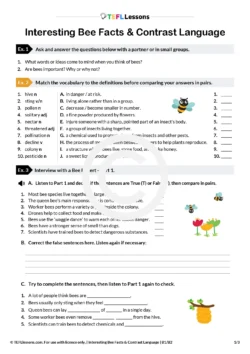
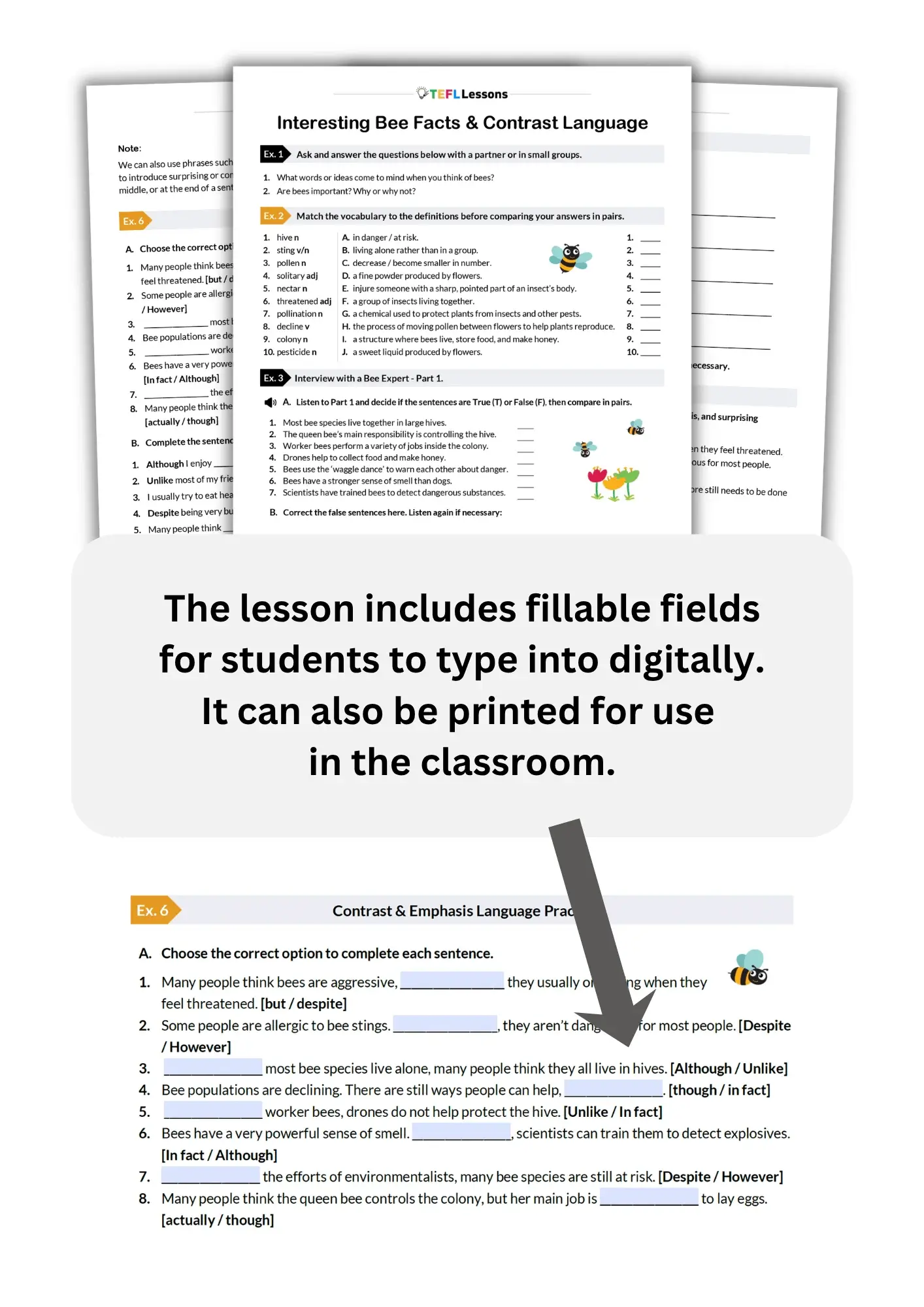
somdn_product_pageThis engaging bees ESL lesson helps B1/B2 students explore fascinating facts about bees, pollination, and environmental awareness while naturally practising contrast linking words and discourse markers in English. Through listening tasks, vocabulary work, language analysis, and discussion activities, students develop their speaking, listening, and critical-thinking skills in a meaningful real-world context. The lesson is ideal for teens and adults and works well in both classroom and online teaching environments.
Level: B1/B2
Time: 60–90 minutes
This lesson comes with:
Fillable Fields – This digital worksheet can be completed online or printed.
Teacher’s Copy – Includes detailed teacher’s notes, listening transcript, and answer key.
Student Version – Ideal for sharing via email for online lessons.
Listening Materials – Includes audio files for comprehension practice.
Bees ESL Lesson: Bee Facts, Pollination & Contrast Language
1. Lead-in & Bee Vocabulary
Students begin by discussing bees and environmental awareness before learning key vocabulary connected to bees, pollination, and nature. The lesson introduces useful topic-based language such as hive, nectar, pollen, pollination, and pesticide.
2. Listening: Interesting Bee Facts
Students listen to Part 1 of an interview with a bee expert and complete True/False tasks, sentence correction activities, and listening gap-fills. The listening focuses on bee behaviour, colonies, communication, and common misconceptions about bees.
3. Listening: Pollination & Environmental Awareness
In Part 2 of the listening, students learn about pollination, honey production, declining bee populations, and environmental threats such as climate change and habitat loss. The lesson naturally introduces language linked to contrast and emphasis through authentic-style listening content.
4. Contrast Linking Words & Discourse Markers
Students analyse and practise contrast linking words and discourse markers in English, including but, however, although, though, despite, unlike, and in fact. Controlled and personalised practice activities help students use the language more naturally and accurately.
5. Speaking Practice & Discussion
Students finish the lesson with conversation questions about bees, insects, environmental problems, and surprising facts from the listening. The final speaking stage encourages fluency, opinion sharing, and extended discussion.
Skills Developed
Listening comprehension, topic-based vocabulary, discourse markers in English, contrast language, speaking fluency, discussion skills, and environmental awareness.
Lesson Objectives
By the end of the lesson, students will be able to discuss bees and pollination, understand key environmental issues affecting bee populations, and use contrast linking words more confidently in spoken and written English.
Try this Bees ESL Worksheet with Listening Practice in class today!
Note: This lesson includes printable and fillable field worksheets. For best results, we recommend using Adobe Acrobat Reader for digital completion or printing.
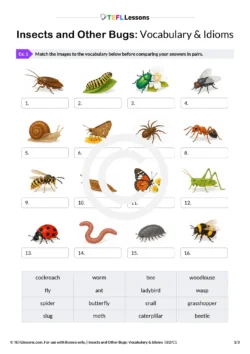
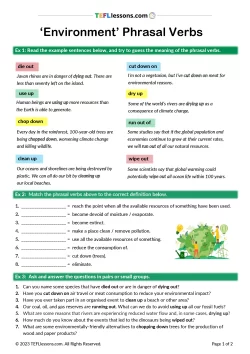
You may also like…

Our Reviews

Full Access Subscription (Auto-Renew)


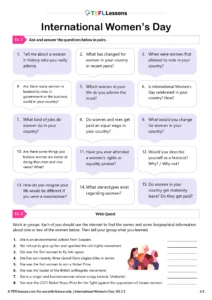
International Women's Day ESL Lesson

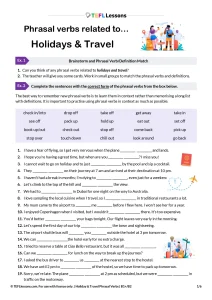
Holiday and Travel Phrasal Verbs
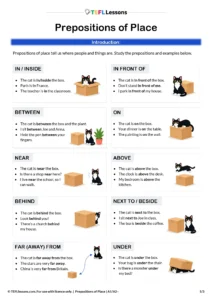
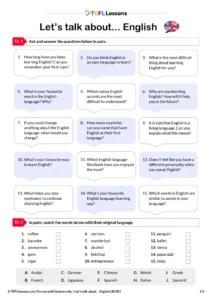
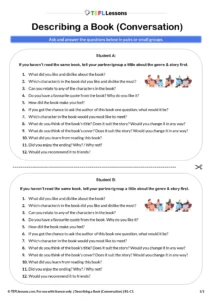
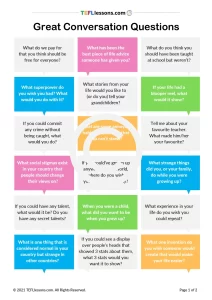
Great Conversation Questions 1
Full Access Subscription (Auto-Renew)
International Women's Day ESL Lesson
Holiday and Travel Phrasal Verbs
Great Conversation Questions 1