September always feels like a fresh start — new groups, new energy, and new opportunities for learning. The start of any new term can bring the same challenges, whether you’re meeting a completely new class or welcoming familiar students back after a break. The first lessons are about more than opening the course book. They’re about breaking the ice, revising old language, setting routines, and motivating learners for the term ahead.
Here are some Back to School ESL Activities, ESL icebreakers and first-day activities for adults and teens. These classroom-tested resources (including free ESL activities) will save prep time and make the first week of a new term more engaging.
1. Back to School ESL Activities for Reflection and Goal-Setting
After the summer break, many learners are out of practice. If we dive straight into new grammar, important areas from last year can be overlooked or turn into fossilised errors. Beginning the term with reflection helps students assess their strengths and weaknesses, identify gaps in their learning, and plan strategies to make up for them. This sets the stage for more focused, confident progress in the months ahead.
✨ Teacher Tip:
Encourage students to review what they learned last year and rate their confidence. Ask questions like: Which grammar points do you remember clearly? Which ones still confuse you? Then, show them how to set goals that are specific and realistic. For example:
- “I will practise irregular verbs for 10 minutes every evening.” (clear and manageable)
vs. - “I will improve my grammar.” (too vague).
Finally, guide students to think about when and where they will study. For many teens and adults, it’s easier to build short study habits into their daily routine (e.g. reviewing on the bus, listening to a podcast while cooking, or setting aside 20 minutes before bed).
🔗 Reflection & Goal-Setting ESL Resources
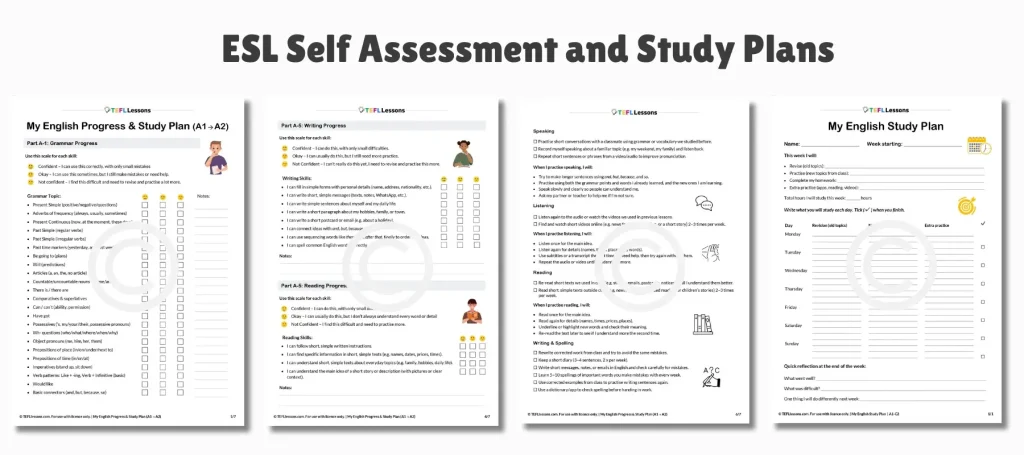
- English Study Planner PDF & Progress Chart (A1–A2)
A structured reflection and goal-setting worksheet to help learners review A1 grammar, vocabulary and skills before moving confidently into A2. More levels coming soon! - Weekly English Study Plan (All Levels)
A simple printable and fillable planner for setting daily and weekly goals and reflecting on progress.
2. ESL Icebreakers for Adults and Teens
The first week is also about building a classroom community. Teens and adults may feel nervous speaking in front of new classmates, so ESL icebreakers and first-day activities are a great way to help students relax and start talking. If learners feel safe and supported early on, they’ll be more willing to take risks in English throughout the term.
✨ Teacher Tip:
Start with short, low-pressure tasks. These getting-to-know-you activities are especially useful as ESL first-day activities for adults and teens, giving every student a chance to speak without too much pressure. Provide clear prompts or question cards so learners aren’t left searching for something to say.
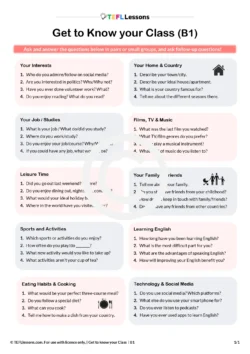
One simple option is our Get to Know You Conversation Questions, available from A1 to C1. The A1 (Elementary) version is free. Use a mix of pair and group activities so students interact with more than one classmate. At the end, ask students to introduce their partner to the class. This encourages both speaking and active listening.
🔗 ESL Icebreakers for Adults and Teens

More to Try
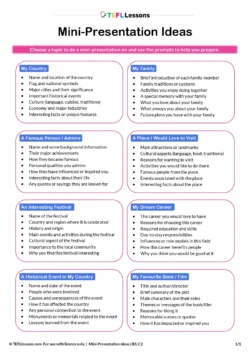
- Informal Presentations: My Country (B1–B2) – Students introduce their home country, helping classmates learn more about each other while building speaking and listening confidence.
3. Talking About Holidays: First-Day ESL Speaking Activities
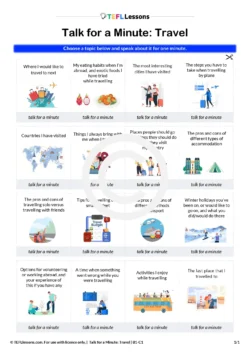
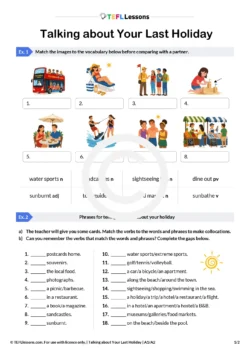
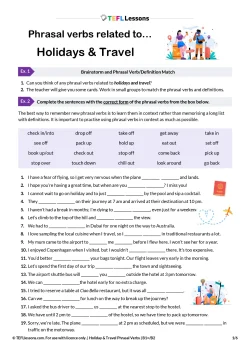
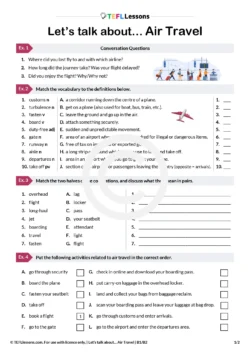
One of the easiest ways to get students talking at the start of a new term is to ask about their holidays. After the summer break, students can talk about where they went, what they did, or how they spent their time.
It’s also a natural opportunity to recycle past tenses and holiday and travel vocabulary through communicative activities such as pair interviews and conversation tasks.
Starting a new term in January? Take a look at our New Year ESL Activities for seasonal speaking, reflection and classroom activities to use after the winter break.
✨ Teacher Tip:
Instead of asking students to tell the whole class about their holidays, make the activity interactive. Use pair interviews so everyone gets plenty of speaking time. Encourage fluency first and let students talk naturally without too much correction. Afterwards, note a few useful errors on the board to review together.
🔗 Talking About Holidays ESL Activities
4. Back-to-School ESL Activities for Beginners
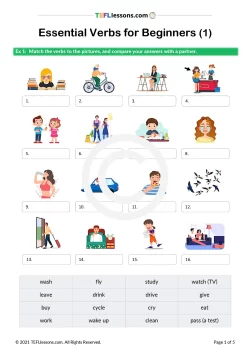
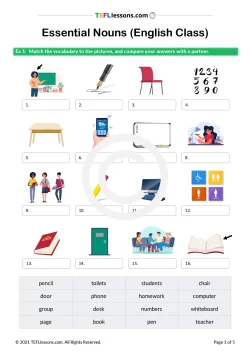
With A0–A1 learners, back-to-school activities need to be simple, visual and easy to join in with. Open-ended ESL icebreakers for beginners can be difficult, so start with short getting-to-know-you questions, familiar vocabulary and highly structured speaking tasks. Topics such as names, countries, family, classroom objects and everyday actions give students useful language while helping them build confidence with their new class.
Building essential vocabulary is especially useful during the first few weeks. Once students can name everyday objects and use common verbs, you can recycle the language through pair work, simple questions and classroom games.
✨ Teacher Tip:
Model activities before asking beginners to complete them independently, and use pictures, gestures and real classroom objects wherever possible. Keep instructions short and build gradually from individual words to simple questions and conversations.
🔗 Beginner-Friendly ESL Activities


More ESL Icebreakers for Beginners
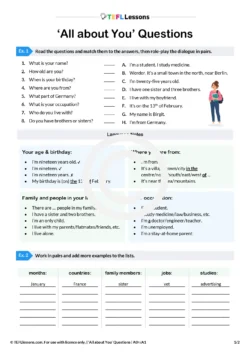
- All About You Questions (A0–A1+) – Simple personal questions that help beginners introduce themselves and get to know their classmates.
- Get to Know You Conversation Questions (A1, FREE) – Beginner-friendly conversation prompts for pair work and first-day speaking practice.
5. School, Study & Work ESL Activities
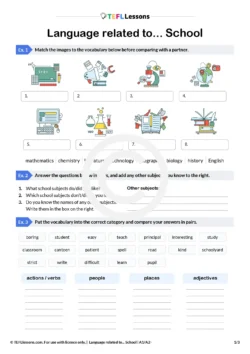
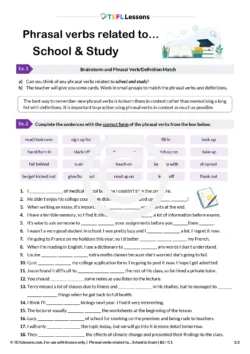
The start of a new school year or term is a natural time to talk about school, study and work. These familiar topics give adult and teen learners plenty to discuss, whether they’re starting a new course, returning to their studies or getting back into a work routine. They also make useful back-to-school ESL activities because students can practise practical vocabulary while learning more about their classmates.
✨ Teacher Tip:
Make these topics personal by asking students about their own experiences. Questions about favourite subjects, study habits, qualifications, jobs and future plans can turn vocabulary work into natural speaking practice. With lower-level learners, provide useful words and question prompts first.
🔗 School, Study & Work ESL Resources


More Resources
- ESL School Speaking Activity – A communicative activity for discussing school experiences and opinions.
- Work Phrasal Verbs – Practical work-related phrasal verbs with contextualised practice.
- Language for Job Interviews – Useful language and speaking practice for adult learners preparing for interviews.
6. Posters and Start-of-Term Handouts
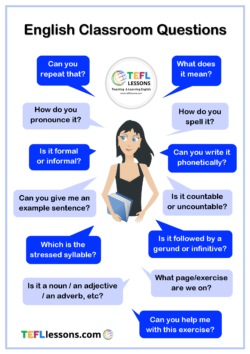
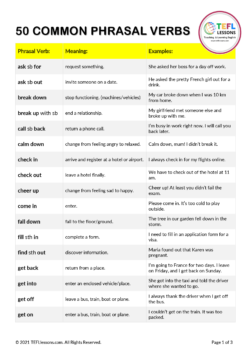
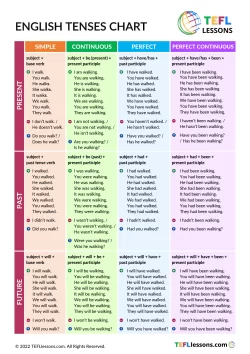
Back-to-school is a good time to set up classroom study aids that students can use throughout the year. Posters, charts and vocabulary records give learners more independence and provide useful reference points they can return to whenever they’re stuck.
✨ Teacher Tip:
Don’t just hand out posters and reference materials — show students how to use them. Keep a phonemic chart where everyone can see it and refer to it during pronunciation work. Set up a vocabulary box early in the term and build the habit of adding and reviewing new words regularly.
🔗 ESL Classroom Posters & Study Aids

More Resources
- The Phonetic Chart (All Levels) – A classroom reference for teaching and practising English sounds.
- Vocabulary Record (FREE, All Levels) – A printable template for students to record and review vocabulary throughout the year.
- Vocabulary Box Game (A2–B2) – A simple classroom game for recycling vocabulary regularly throughout the term.
7. Grammar Review Lessons
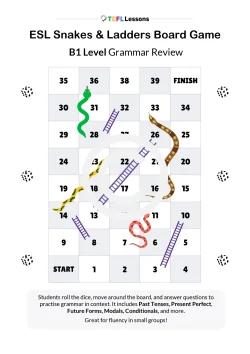
The first week is also a good time to revise grammar from the previous term with back to school ESL review activities. Learners often come back at very different levels of readiness, and short grammar games and speaking tasks can help bring the class back in sync. They work particularly well with adult and teen learners because they combine revision with speaking, interaction and fun.
✨ Teacher Tip:
Focus on speaking and fluency during grammar review activities. Let students play and interact first, then use feedback time to highlight common errors and revisit key rules. This keeps the first lessons back communicative rather than making them feel like a test.
🔗 ESL Grammar Review Games & Activities


8. Back-to-School ESL Games for Adults and Teens
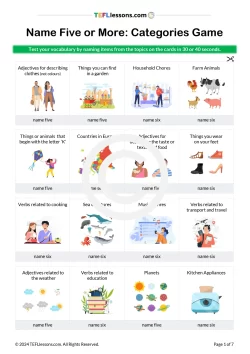
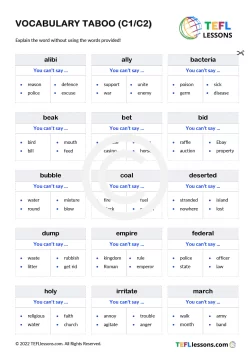
Once students have settled back into class, back-to-school ESL games are a great way to keep them speaking and interacting. Vocabulary revision and fluency games work particularly well with adults and teens, giving students a low-pressure way to reactivate their English while getting used to speaking with their classmates again.
Short, fast-paced activities such as Taboo, guessing games and Talk for a Minute can also work well as warmers or end-of-lesson activities throughout the term.
✨ Teacher Tip:
Rotate fluency games to keep them fresh — for example, Taboo one week and Talk for a Minute the next. Play in teams or pairs to lower pressure and give everyone more opportunities to speak.
🔗 ESL Vocabulary Revision & Fluency Games


Ready for the New Term?
Whether you’re teaching adults, teens or beginners, these back-to-school ESL activities can help students get talking, review their English and settle into a new class.
Looking for more ideas? Explore our 100+ free ESL resources, including speaking activities, vocabulary worksheets, grammar practice and classroom games for different levels.
Starting a new term in January? Take a look at our New Year ESL Activities for seasonal speaking, reflection and classroom ideas.
Useful reference: The Common European Framework of Reference for Languages (CEFR) provides an internationally recognised framework for describing language proficiency from A1 to C2.